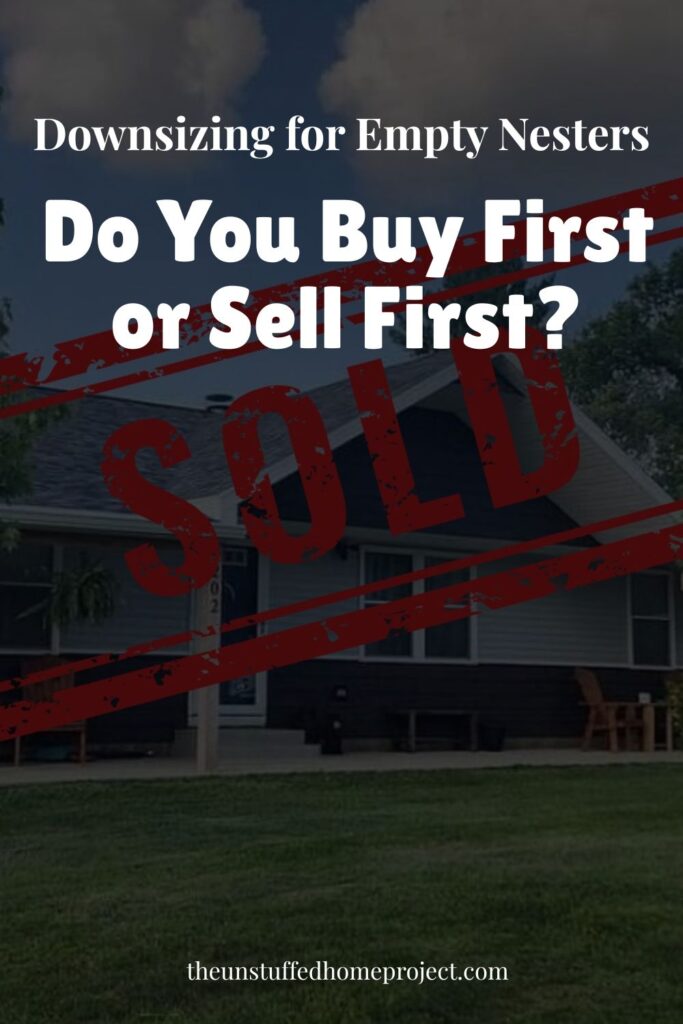
Downsizing for Empty Nesters: Should You Buy or Sell Your Home First?
Deciding whether to buy or sell first is the biggest hurdle in downsizing for empty nesters. Learn the pros and cons for each to help you make the right decision.
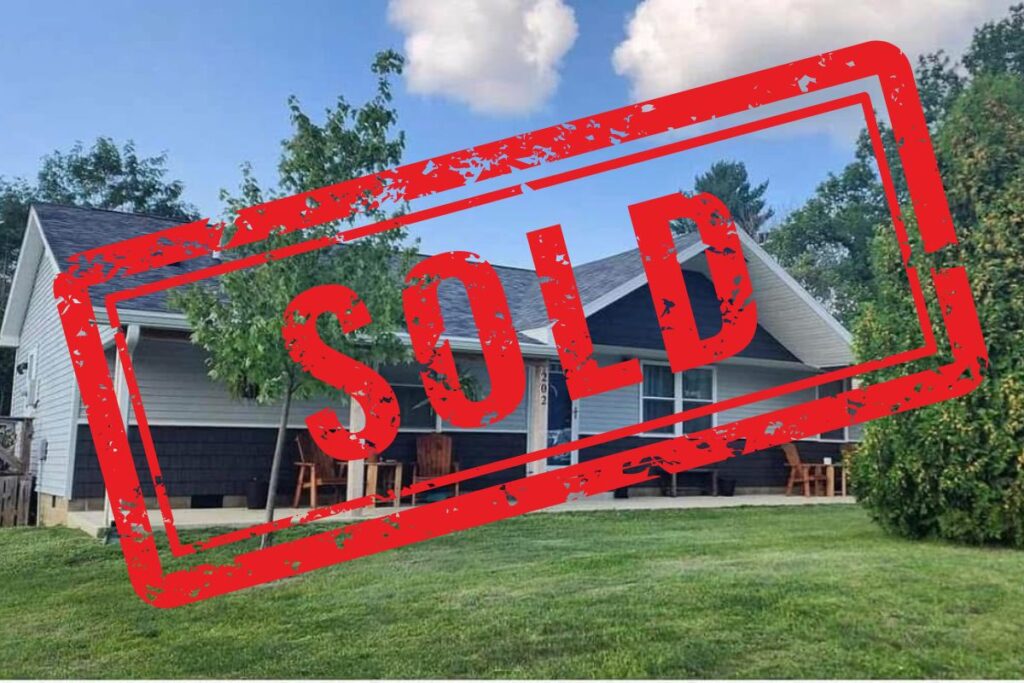
The kids have grown up and moved out, and suddenly, the family home that was the hub of so much activity is quiet. You have decided it’s time to downsize and move.
If you are like us, the idea of downsizing shifted from a “maybe someday” thought to a “let’s do this” reality. The thought of it is both exciting and scary.
To be honest, it was an incredibly emotional journey for me. Leaving the home where we raised our kids and built our life together, and stepping away from the community of friends and family we love was hard. Really hard, and it still is.
I love our new life (even though I miss our kids and grands deeply) , and if you’ve decided to downsize, the next question is whether to sell your home first or buy the new one first.
Do you buy or sell first? Here’s what you need to know
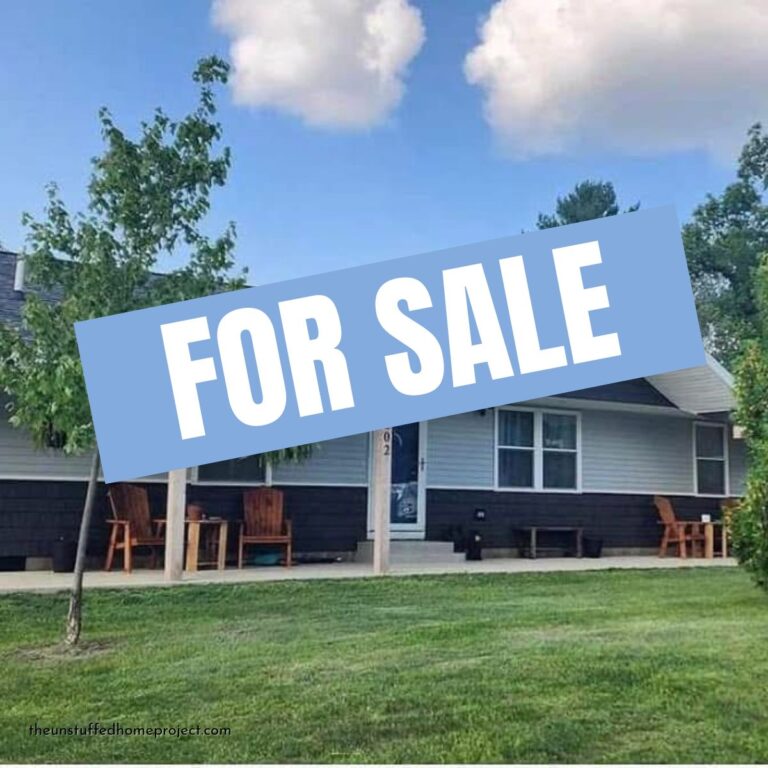
We bought first. It was intended to be a vacation home until we retired. We would use it for vacations and use it as an AirBnB when we weren’t there. It would pay for itself and we would hopefully bank a little extra money along the way.
Life happened and one crazy night while working on updating the new house, we made the decision to move there permanently. Crazy and impulsive? Yes, but that’s how we roll around here.
Buying First to Downsize
If you don’t have the cash for a second down payment, you aren’t stuck, but you need a plan. We explored these three options:
- Bridge Loans: Short-term loans (usually 6–12 months) that “bridge” the gap. They are convenient but come with higher interest rates.
- HELOC (Home Equity Line of Credit): If you have significant equity in your current home, open a HELOC before you list it. Lenders rarely approve a HELOC on a house that is already for sale.
- 401(k) Loans: Should only be used as a last resort, but they can provide quick liquidity without a credit check.
Talk with your lender and be sure you know the interest rate and terms of any loan you take out when buying first.
Being in the empty nest season of life, most likely means you first mortgage is almost paid off (which ours was), or you have an amazing interest rate (ours was just over 2%), and your payment is low enough to be able to take on a second mortgage for a short amount of time.
Having time to do all the things you need to do still comes with the cost of carrying two mortgages. Weigh all the options and look at your budget to make sure that, for the short term, you can carry the costs of both homes until you are ready to sell.
Pros
- Do updates or renovations to the new home before you move in.
- Downsize and pack up the old house without a hard deadline.
- Get the house you want now and not risk losing out on it later.
Cons
- Paying for two houses – the mortgage, utilities, lawn care, etc.
- Losing potential buyers for the home you are selling by waiting.
- Tax liabilities will be higher on the new home until you sell the first one with no homestead exemption.
We used the equity in our home and opened a HELOC for the down payment on the second house. Once we sold our house, the proceeds paid off what was left on the mortgage, the HELOC, and we still had a lot of money in hand to finish renovating the new home.
Selling First to Downsize
As empty nesters, the goal of downsizing is usually to simplify your life and free up cash for retirement, not to lose sleep over carrying two mortgages at once.
While the buy first strategy worked for us, selling your home first is the most financially responsible move, especially when you need every penny of your equity to fund your next chapter.
Choosing to sell before you buy isn’t just about avoiding a double mortgage; it’s about certainty.
Pros
- You aren’t guessing what your home will sell for. You have the check in hand, which tells you exactly what you can afford for the new place.
- Once your home is sold, you become a “cash-heavy” buyer. You can walk into a new home with no strings attached, making your offer much more attractive to sellers.
- If you buy first and your old home doesn’t sell quickly, you might get desperate and accept a low-ball offer to stop the financial bleeding. Selling first lets you wait for the right price.
Cons
- Most sellers won’t accept offers contingent on a sale, so you may miss out on your dream home.
- The buyer may not allow an extended possession period, leaving you without a place to live in the meantime.
- With your home sold, you may feel rushed to purchase the next one to avoid extended temporary living, causing you to settle for a house you may not really love.
Selling first might require a bit more coordination and perhaps a temporary stay in a rental, but it removes the burden of a second mortgage. For some empty nesters, that peace of mind is worth its weight in gold.
So, do you buy first or sell first?
You should BUY first if:
- You live in a seller’s market where your current home is guaranteed to fly off the shelf.
- You have pets, and the idea of temporary housing sounds like a nightmare.
- You’ve found your dream property that won’t stay on the market for more than 48 hours.
You should SELL first if:
- Your debt-to-income (DTI) ratio won’t allow for two mortgages.
- You are moving to a much more expensive area and need every penny of equity.
- The thought of an unsold house keeps you awake at 3:00 AM.
This chapter of your life is supposed to be about freedom. Less maintenance, more travel, and fewer “to-do” lists. Whichever path you choose, make sure it’s the one that works best for you.
You got this!